
Shrub & Hedge Trimming
Timing matters as much as technique. Trim a spring-blooming shrub at the wrong time of year and you cut off next season's flowers before they ever open; trim aggressively during a July heat wave and you stress a plant that's already fighting to survive the heat. We schedule shrub and hedge work around what each plant actually needs, not a fixed date on the calendar.
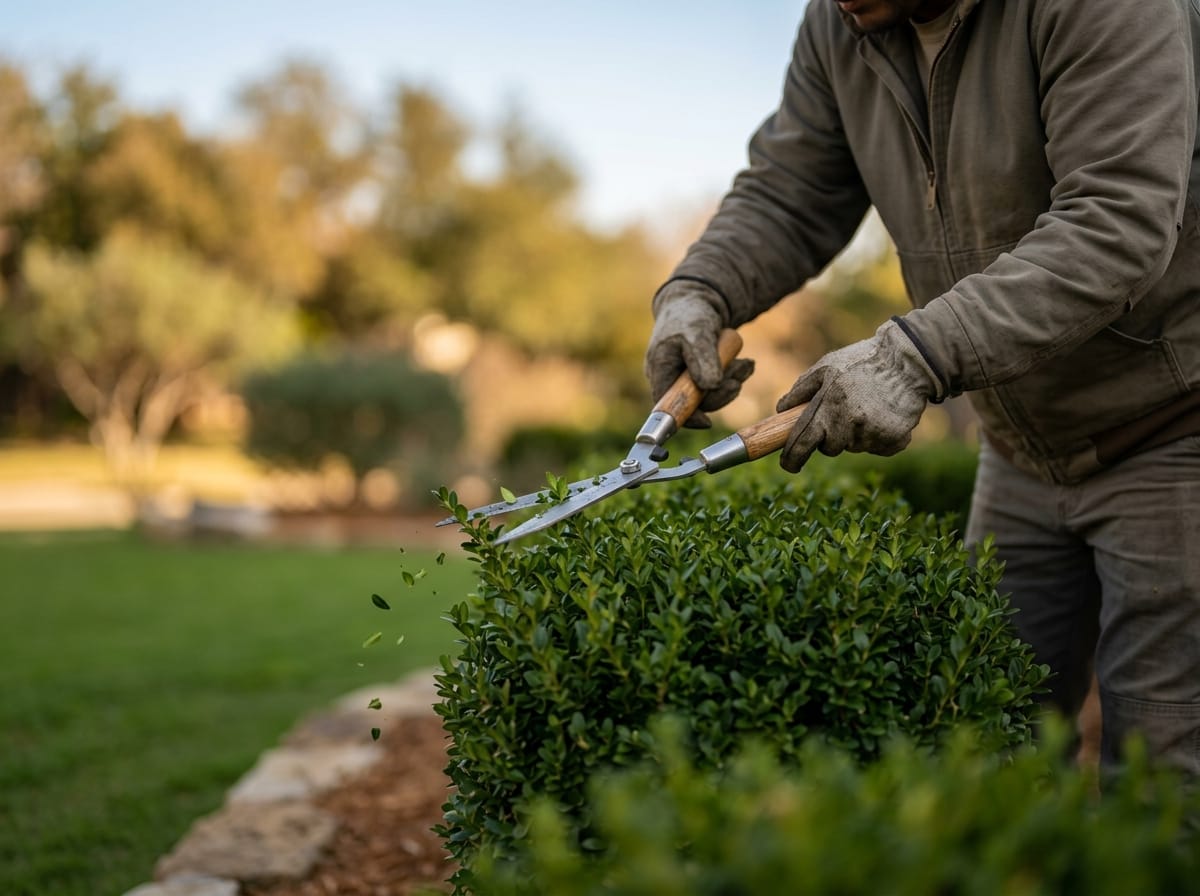
What's Included
- Trim timing matched to bloom cycle and plant type
- Clean, defined hedge lines and shrub shaping
- Disease and pest inspection during every trim
- Debris haul-off included
- Selective pruning for overgrown or misshapen shrubs
Typical Pricing
$60–$250 per visit
Depends on the number of shrubs/hedges, how overgrown they are, and whether it's a maintenance trim or a larger renovation prune on a long-neglected plant.
How It Works
- 1
Plant identification
We identify what's actually growing in your beds — a spring bloomer gets treated differently than an evergreen hedge.
- 2
Trim scheduling
We time the visit around the plant's bloom and growth cycle, not just when it looks shaggy.
- 3
Shaping & pruning
Hedges get clean lines; individual shrubs get shaped to encourage healthy, natural growth rather than a hard square cut on everything.
- 4
Cleanup & haul-off
All clippings and debris are removed from the property — we don't leave piles for you to bag.
Common Shrub & Hedge Trimming Problems We See
Wrong-season trimming removing next year's blooms
Trimming spring bloomers in fall or winter is one of the most common mistakes homeowners (and some services) make in this region. We schedule around bloom timing.
Over-pruning in summer heat
Aggressive cuts during a 100°F stretch can stress a plant that's already working hard to survive the heat. We favor lighter, more frequent shaping over one hard cut in peak summer.
Disease spread from unclean tools
Certain fungal and bacterial issues can move from plant to plant on pruning shears. We clean tools between properties and between plants when we see signs of disease.
Seasonal timing: Late winter is the main structural pruning window for evergreens before spring growth starts; spring bloomers get trimmed right after flowering; summer brings lighter shape maintenance; and fall trimming is kept minimal since fresh cuts heading into a freeze can stress plants.
Shrub & Hedge Trimming By Area
We provide shrub & hedge trimming throughout North Central Texas, with dedicated local pages for our top service areas:
Cleburne, TX
Johnson County · ZIP 76031, 76033
Downtown Cleburne, Ridgeview, Chisholm Trail area
View service details →Burleson, TX
Johnson County · ZIP 76028, 76097
Old Town Burleson, Hidden Creek, Mound area
View service details →Joshua, TX
Johnson County · ZIP 76058
Southern Oaks, Rural Shores area
View service details →Mansfield, TX
Tarrant County · ZIP 76063, 76084
Historic Downtown Mansfield, The Reserve, Walnut Creek area
View service details →Fort Worth, TX (Southwest)
Tarrant County · ZIP 76108, 76109, 76115, 76123, 76126, 76132, 76133, 76134, 76140
Wedgwood, Chisholm Trail Ranch, Overton Park area
View service details →Shrub & Hedge Trimming FAQs
When is the best time of year to trim shrubs and hedges in Texas?
It depends on the plant. Spring-blooming shrubs like azaleas and forsythia should be trimmed right after they finish flowering, not in fall or winter, or you'll cut off next year's buds. Evergreen hedges like boxwood or holly can be shaped in late winter before spring growth starts, with a light touch-up trim in summer if needed. We identify what's in your yard before scheduling so timing works with the plant, not against it.
How do you avoid 'crepe murder' on my crepe myrtles?
We don't top crepe myrtles by cutting the main trunks down to stubs every winter — that's the "crepe murder" pattern you'll see all over this region, and it weakens the tree and produces weak, whip-thin regrowth instead of natural canopy branching. Instead we selectively remove crossing branches, suckers, and spent seed heads to maintain a healthy natural shape, which takes more skill but keeps the tree strong for years.
How often do hedges need trimming to stay sharp?
Fast growers like ligustrum or photinia in North Texas's long growing season often need trimming every 6-8 weeks during spring and summer to hold a clean line. Slower growers like boxwood might only need shaping two to three times a year. We'll recommend a schedule once we see what's actually planted and how fast it's growing on your property.
Can you tell if a shrub is diseased or just needs trimming?
We check for common signs during every visit — dieback, discoloration, fungal spotting, or pest damage — and will flag anything that looks like disease rather than just overgrowth. Some problems (like certain fungal issues) can spread between plants on trimming tools if they're not cleaned between cuts, so we take that into account when we spot something that looks off.
Related Services
Lawn Mowing & Maintenance
Regular mowing, edging, and trimming to keep lawns clean, healthy, and well-maintained — scheduled on a route you can count on, with the same crew coming back visit after visit.
Learn more →Landscape Maintenance
Ongoing upkeep of flower beds, shrubs, hedges, and overall property landscaping. Keeps your entire property looking cared-for between larger projects like renovations or sod installs.
Learn more →Lawn Fertilization
Seasonal fertilization and weed control programs tuned to North Texas Bermuda and St. Augustine lawns and clay soil. Builds a thicker, greener lawn and keeps weeds from taking over between visits.
Learn more →Ready for Shrub & Hedge Trimming?
Get a straightforward quote for shrub & hedge trimming on your property — no runaround.